Traditional rhinoplasty techniques often involve removing segments of bone and cartilage to reshape the nose, then reconstructing the nasal framework from the remaining structures. Preservation rhinoplasty takes a fundamentally different approach — rather than breaking down and rebuilding, this technique repositions and reshapes the nose’s natural anatomy while keeping key structural elements intact. The result is a refined, natural appearance that maintains the nose’s inherent character and often heals faster with less visible swelling.
Dr. Paul Durand is a board-certified plastic surgeon whose advanced training positions him at the forefront of modern rhinoplasty techniques. Fellowship-trained at the Dallas Plastic Surgery Institute under Dr. Rod Rohrich — a pioneer in structural rhinoplasty — and at the Cleveland Clinic where he participated in the first face transplant in the United States, Dr. Durand brings both technical mastery and artistic vision to preservation rhinoplasty in Miami.

The Philosophy Behind Structural Preservation Techniques
“Preservation rhinoplasty represents a shift in how we think about nose surgery,” explains Dr. Durand. “Instead of removing the dorsal hump and rebuilding the nose from scratch, we work with the patient’s natural anatomy — lowering the profile by repositioning structures rather than resecting them. This maintains the nose’s natural lines and often produces results that look more authentic.”
This approach aligns with Dr. Durand’s broader surgical philosophy of achieving elegant results through precise, conservative intervention. By preserving the ligaments, blood supply, and structural integrity of the nose, preservation rhinoplasty minimizes trauma and supports a smoother healing process. Patients often experience less swelling, faster recovery, and results that look natural from the earliest stages of healing.
What Is Preservation Rhinoplasty?
Preservation rhinoplasty is an advanced surgical technique that reshapes the nose by maintaining and repositioning its natural structures rather than removing and reconstructing them. The approach is particularly valuable for addressing dorsal humps — the most common reason patients seek rhinoplasty — without the extensive tissue removal required by traditional methods.
In conventional rhinoplasty, a dorsal hump is typically reduced by rasping or cutting away the excess bone and cartilage, then rebuilding the nasal dorsum. This “component reduction” approach can produce excellent results but involves significant structural disruption. Preservation rhinoplasty achieves hump reduction differently: by releasing the attachments that hold the nasal framework in place and lowering the entire dorsum as a unit, the hump is eliminated while the nose’s natural contours remain intact.
Benefits of the Preservation Approach to Nose Surgery
Preservation rhinoplasty offers several distinct advantages compared to traditional techniques, making it an increasingly popular choice among surgeons and patients alike:
- Preserved Blood Supply: maintaining the soft tissue envelope’s blood supply promotes better healing and reduces the risk of skin complications
- Natural Aesthetic Lines: by maintaining the nose’s inherent dorsal contours, preservation rhinoplasty produces results that appear authentically natural rather than surgically altered
- Maintained Structural Integrity: preserving the connections between cartilage, bone, and soft tissue supports long-term stability and reduces the risk of late complications
- Reduced Swelling: less tissue disruption typically translates to decreased postoperative swelling, allowing patients to appreciate their results sooner
- Faster Recovery: many patients experience a quicker return to normal activities due to the reduced surgical trauma
- Lower Revision Rates: studies suggest that preservation techniques may be associated with fewer revision surgeries compared to traditional approaches
Ideal Candidates for Dorsal Preservation Rhinoplasty
Preservation rhinoplasty is particularly well-suited for patients whose primary concern is a dorsal hump with otherwise good nasal structure. Dr. Durand frequently recommends this approach for patients presenting with:
- Dorsal Hump: a bump on the nasal bridge that disrupts an otherwise balanced profile — the condition most ideally suited to preservation techniques
- Desire for Natural Results: patients who want refinement while maintaining their nose’s inherent character and ethnic identity
- Good Skin Quality: patients with skin thick enough to smoothly drape over the preserved structures
- Realistic Tip Anatomy: patients whose nasal tip requires minimal modification, as tip work is performed using complementary techniques
- Primary Rhinoplasty Candidates: patients who have not had previous nose surgery, as preservation techniques work best with intact nasal anatomy
- Concern About Recovery: patients who prioritize minimal swelling and faster return to normal appearance
Not all patients are ideal candidates for preservation rhinoplasty. Those requiring significant tip work, major structural reconstruction, or revision of previous rhinoplasty may be better served by traditional or structural rhinoplasty techniques. During your consultation, Dr. Durand will evaluate your anatomy and recommend the approach most likely to achieve your goals.
Let-Down vs. Push-Down Techniques
Dr. Durand employs two primary preservation approaches depending on the patient’s anatomy and goals:
- Let-Down Technique: the cartilaginous septum is partially released from its bony attachments, allowing the nasal dorsum to be lowered while maintaining the connection between the upper lateral cartilages and septum. This preserves the natural internal valve and dorsal aesthetic lines.
- Push-Down Technique: used for smaller humps, this method involves making precise cuts in the bony septum and gently pushing the dorsum into a lower position. The intact cartilaginous framework maintains natural contours throughout.
Both techniques preserve the keystone area — the critical junction where bone meets cartilage at the top of the nose — which is often disrupted in traditional rhinoplasty. Maintaining this area contributes to the natural appearance and structural stability of preservation rhinoplasty results.
Recovery After Dorsal Preservation Surgery
Recovery from preservation rhinoplasty is often faster and more comfortable than recovery from traditional rhinoplasty. Because the technique minimizes structural disruption and maintains blood supply to the soft tissue envelope, swelling typically resolves more quickly and bruising is often less pronounced.
Most patients can return to work and light social activities within seven to ten days. The nose will continue to refine over the following months, with final results typically apparent at twelve to eighteen months. However, many preservation rhinoplasty patients notice that their nose looks natural and well-healed earlier in the recovery process compared to traditional approaches.
Dr. Durand provides comprehensive postoperative care instructions and monitors healing through regular follow-up appointments. Patients should avoid strenuous exercise for approximately three weeks and contact sports or activities that risk nasal trauma for at least six weeks.
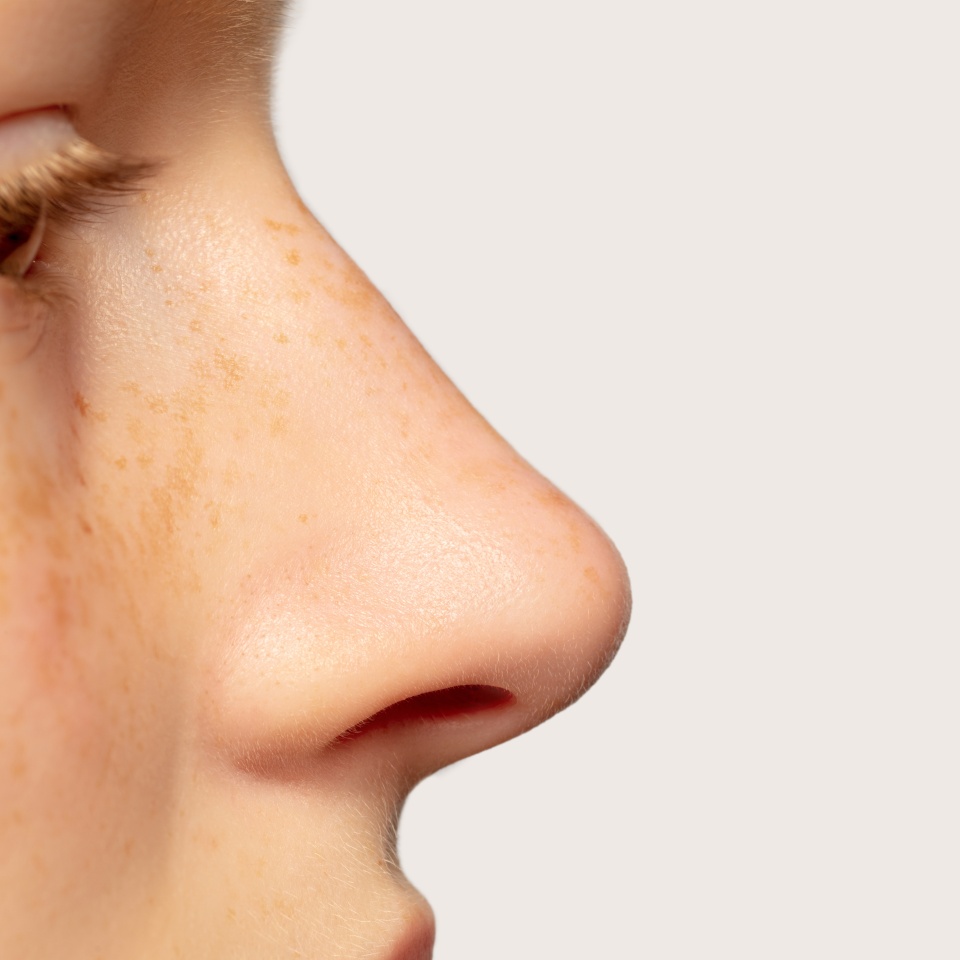

What to Expect During Structural Preservation Nose Surgery
Preservation rhinoplasty is performed under general anesthesia as an outpatient procedure. The surgery typically takes two to three hours, depending on the complexity of the case and whether additional refinements to the nasal tip are required.
Dr. Durand typically performs preservation rhinoplasty using an open approach, placing a small incision across the columella for optimal visualization. Through this access, he carefully releases the attachments holding the nasal dorsum in place and repositions the framework to achieve the desired profile reduction. The technique requires meticulous precision, as the goal is to lower the dorsum without disrupting its natural contours.
When tip refinement is needed, Dr. Durand employs complementary structural techniques to reshape the lower third of the nose while maintaining harmony with the preserved dorsum. The incisions are closed with fine sutures, and a splint is applied to support the nose during initial healing.
Because preservation rhinoplasty involves less tissue disruption than traditional techniques, many patients experience reduced bruising and swelling. The splint is typically removed after one week, at which point most patients feel comfortable returning to work and social activities.
Frequently Asked Questions About Preservation Rhinoplasty
-
Neither approach is universally “better” — the optimal technique depends on your specific anatomy and goals. Preservation rhinoplasty excels at addressing dorsal humps while maintaining natural contours, but traditional techniques may be more appropriate for patients requiring significant reconstruction or revision surgery.
-
Preservation techniques can address certain types of deviation, particularly those involving the bony dorsum. However, complex crookedness involving the septum or cartilaginous framework may require traditional structural approaches. Dr. Durand will evaluate your anatomy and recommend the most effective technique.
-
One of the primary advantages of preservation rhinoplasty is its ability to produce exceptionally natural-looking results. By maintaining the nose’s inherent structure and contours, the technique avoids the “operated” appearance that can sometimes occur with aggressive traditional approaches.
-
Preservation rhinoplasty results are permanent. The maintained structural integrity and preserved ligamentous attachments contribute to long-term stability. As with any rhinoplasty, the nose will continue to age naturally over time.
-
Yes. While the dorsum is addressed using preservation techniques, Dr. Durand can simultaneously refine the nasal tip using complementary structural methods. This combined approach allows for comprehensive nasal reshaping while maximizing the benefits of preservation philosophy.
-
Preservation rhinoplasty works best on noses that have not undergone previous surgery. Revision rhinoplasty typically requires traditional structural techniques to address scar tissue and reconstruct altered anatomy. However, Dr. Durand evaluates each revision case individually.
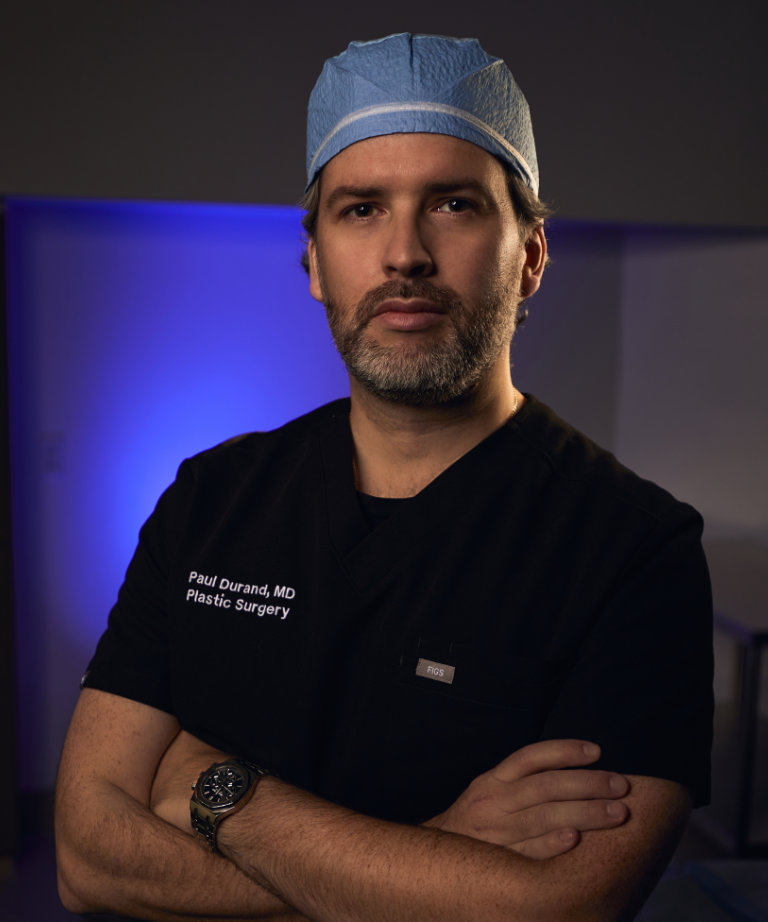
Why Choose Dr. Durand for Preservation Rhinoplasty
Dr. Durand’s fellowship training at the Dallas Plastic Surgery Institute provided him with mastery of both preservation and traditional rhinoplasty techniques. This comprehensive training allows him to select the optimal approach for each patient rather than applying a single technique to all cases. His additional experience at the Cleveland Clinic — including participation in facial transplant surgery — gives him an exceptional understanding of nasal anatomy and tissue behavior.
Patients appreciate Dr. Durand’s thoughtful, individualized approach to rhinoplasty. He takes time to understand each patient’s goals, carefully evaluates nasal anatomy, and provides honest recommendations about which techniques will best achieve the desired outcome. Fluent in English and Spanish, Dr. Durand welcomes patients from throughout Miami and around the world.
Schedule Your Preservation Rhinoplasty Consultation in Miami
Discover how preservation rhinoplasty can refine your nasal profile while maintaining your nose’s natural character. Contact Dr. Paul Durand Plastic Surgery today to schedule a consultation at his Brickell office in Miami. During your visit, Dr. Durand will evaluate your anatomy, discuss your aesthetic goals, and explain whether preservation rhinoplasty is the ideal approach for achieving the natural, elegant results you envision.
Dr. Durand is the absolute best. A great listener and willing to do the job as asked. I came in for a nose surgery early last month and was absolutely amazed with the results. He did it exactly how I had asked, and I am honestly so thankful to have picked him for my surgery. He gave me a phone number after the surgery where I was able to reach him during my week of recovery, and he answered whenever I had a concern. I absolutely recommend him and I guarantee you won’t be disappointed.
Medically reviewed by Paul D. Durand, M.D. on