Ears that protrude prominently, appear asymmetrical, or have an unusual shape can be a source of self-consciousness for both children and adults. Otoplasty — commonly known as ear pinning or ear reshaping surgery — corrects these concerns by sculpting the ear cartilage and repositioning the ears closer to the head. The result is a natural, balanced appearance that allows patients to wear their hair any way they choose and feel confident in social and professional settings.
Dr. Paul Durand is a board-certified plastic and reconstructive surgeon with extensive training in both aesthetic and reconstructive procedures of the head and face. His fellowship at the Cleveland Clinic — where he participated in the first face transplant performed in the United States — provided him with an exceptional understanding of complex facial anatomy, including the intricate cartilaginous framework of the ear. Dr. Durand brings this expertise to every otoplasty procedure, ensuring precise, natural-looking results tailored to each patient’s facial proportions.
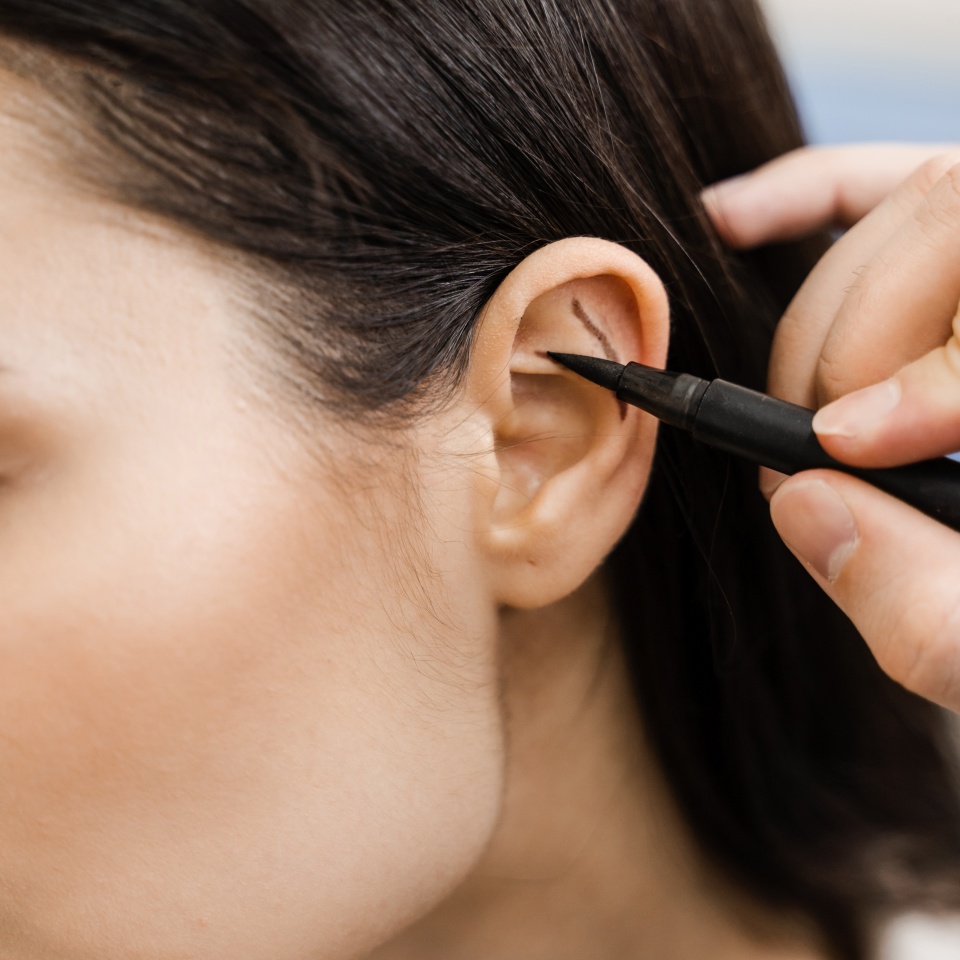
A Balanced Approach to Cosmetic Ear Correction
“The goal of otoplasty is harmony,” explains Dr. Durand. “We want the ears to complement the face rather than draw attention. This means carefully evaluating each patient’s unique anatomy and making adjustments that look natural — not overcorrected or artificial.”
Dr. Durand emphasizes that successful ear surgery requires attention to multiple factors: the angle at which the ear projects from the head, the shape and definition of the antihelical fold, the size and position of the conchal bowl, and the overall symmetry between both ears. By addressing each of these elements with precision, he achieves results that appear as though the patient was simply born with beautifully shaped ears.
What Is Otoplasty?
Otoplasty is a surgical procedure that reshapes the external ear to improve its appearance. The surgery can address a variety of concerns, including ears that stick out too far from the head, lack of normal folds and contours, asymmetry between the two ears, and irregularities resulting from injury or previous surgery.
The procedure is most commonly performed to correct prominent ears — a condition where the ears protrude more than two centimeters from the side of the head. This is often caused by an underdeveloped antihelical fold (the curved ridge inside the ear) or an overly deep conchal bowl (the cup-shaped area closest to the ear canal). Dr. Durand addresses these structural issues through careful cartilage reshaping and strategic suture placement.
Common Concerns Addressed by Ear Reshaping Surgery
Patients seek otoplasty for a wide range of aesthetic concerns. Dr. Durand regularly helps patients address:
- Protruding Ears: ears that project noticeably from the head, often due to an underdeveloped antihelical fold or enlarged conchal bowl
- Lack of Ear Definition: ears that appear flat or lack the natural folds and contours that give the ear its characteristic shape
- Ear Asymmetry: significant differences in the size, shape, or projection of one ear compared to the other
- Oversized Ears (Macrotia): ears that are disproportionately large relative to the face and head
- Constricted or Lop Ears: ears with a folded or compressed appearance at the upper portion
- Previous Surgical Results: unsatisfactory outcomes from prior otoplasty that require revision
Ideal candidates for otoplasty are in good general health, have realistic expectations about what surgery can achieve, and — in the case of children — are mature enough to follow postoperative instructions and cooperate with recovery protocols.
Ear Pinning for Children and Adults
Otoplasty can be performed on patients as young as five or six years old, once the ear cartilage has developed sufficiently for surgical correction. Early intervention can spare children from teasing and social discomfort during their formative years. However, the procedure is equally effective for teenagers and adults who have lived with prominent ears and are ready for a change.
Recovery After Ear Correction Surgery
Recovery from otoplasty is generally straightforward. Patients wear a head dressing for the first several days following surgery, after which it is replaced with a lighter headband that is worn continuously for one to two weeks and then at night for an additional four to six weeks. This headband protects the ears during sleep and supports optimal healing.
Most patients experience mild discomfort, swelling, and bruising during the first week, all of which are well-controlled with prescribed medication. Children typically return to school within one week, while adults can often resume desk work within several days. Contact sports and activities that risk ear trauma should be avoided for at least six weeks.
Final results become apparent as swelling resolves over the following weeks. The ears will appear natural and proportionate, with incision lines hidden behind the ear and fading to thin, nearly invisible scars over time.

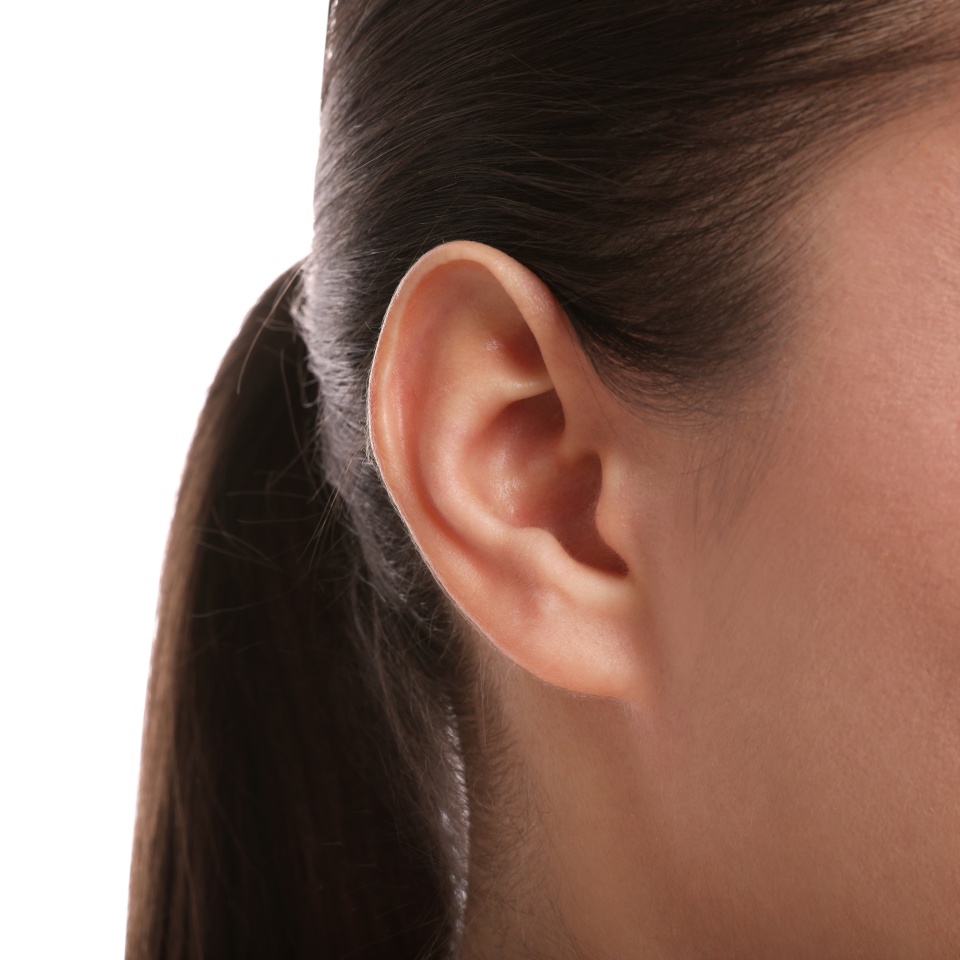
What to Expect During Prominent Ear Correction Surgery
Otoplasty is typically performed as an outpatient procedure. For adult patients, the surgery is often performed under local anesthesia with sedation, while general anesthesia may be recommended for children to ensure their comfort and safety throughout the procedure.
Dr. Durand places incisions behind the ear, hidden within the natural crease where the ear meets the head. Through this concealed approach, he accesses the ear cartilage and reshapes it using a combination of scoring, suturing, and selective cartilage removal techniques. The specific methods employed depend on the patient’s anatomy and the corrections needed.
For patients with an underdeveloped antihelical fold, Dr. Durand uses permanent sutures to create natural-looking contours. When the conchal bowl is overly deep, he may remove a small amount of cartilage to allow the ear to sit closer to the head. Throughout the procedure, he carefully assesses symmetry and projection to ensure balanced results.
The procedure typically takes one to two hours to complete. Patients return home the same day wearing a protective head dressing that supports the ears in their new position during the initial healing phase.
Frequently Asked Questions About Otoplasty
-
Otoplasty can be performed on children as young as five or six years old, once the ear cartilage has reached approximately 90% of adult size. There is no upper age limit for the procedure — adults of any age can benefit from ear reshaping surgery.
-
No. Dr. Durand places all incisions behind the ear in the natural crease where the ear meets the scalp. Once healed, these scars are virtually undetectable, even when the hair is worn short or pulled back.
-
Most patients report only mild discomfort following otoplasty, which is easily managed with oral pain medication. Any soreness typically subsides within the first few days after surgery.
-
Yes. Otoplasty is an excellent solution for patients whose ears differ significantly in size, shape, or projection. Dr. Durand customizes the surgical approach for each ear to achieve balanced, symmetrical results.
-
Otoplasty results are permanent. Once the ear cartilage has been reshaped and repositioned, it maintains its new form indefinitely. The ears will continue to age naturally but will retain their improved shape and position.
-
Patients should avoid wearing glasses that rest on the ears for the first two weeks following surgery. Earbuds and earphones should also be avoided during this initial healing period. Dr. Durand will provide specific guidance during your postoperative appointments.
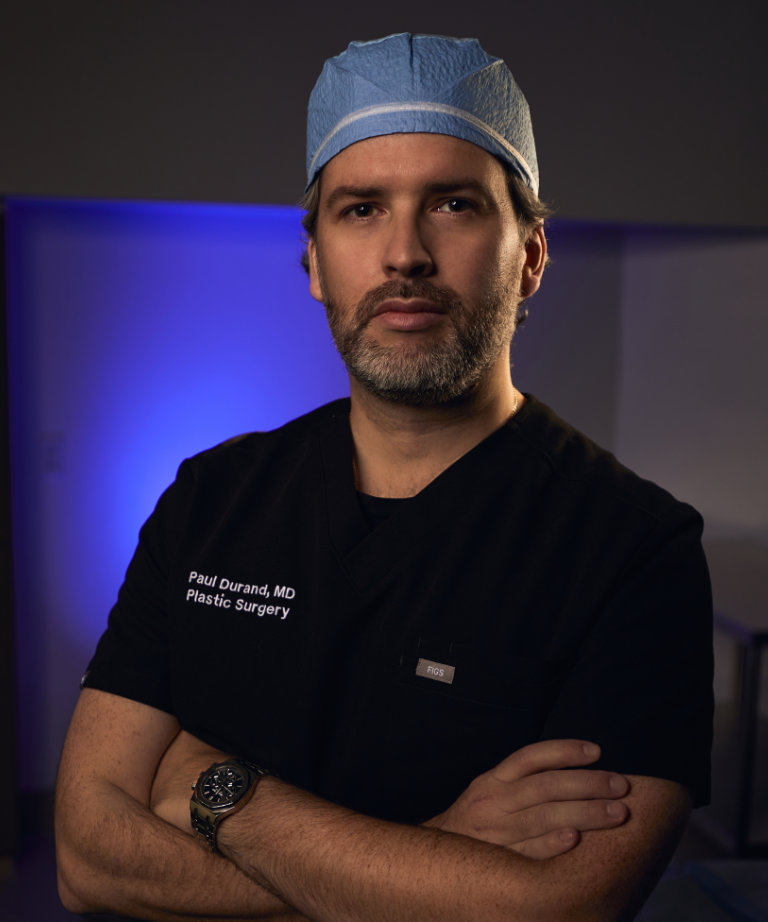
Why Choose Dr. Durand for Ear Reshaping Surgery
Dr. Durand’s extensive training in facial plastic and reconstructive surgery makes him exceptionally qualified to perform otoplasty. His experience at the Cleveland Clinic exposed him to complex reconstructive ear cases, including microtia repair and traumatic ear reconstruction, giving him a comprehensive understanding of ear anatomy and cartilage behavior. This foundation, combined with his aesthetic fellowship training at the Dallas Plastic Surgery Institute, allows him to achieve results that are both technically precise and aesthetically refined.
Patients of all ages appreciate Dr. Durand’s warm, reassuring demeanor. He takes particular care with pediatric patients and their families, ensuring that children feel safe and parents feel confident in the treatment plan. Fluent in English and Spanish, Dr. Durand welcomes patients from Miami’s diverse community and beyond.
Schedule Your Otoplasty Consultation in Miami
Whether you are considering ear surgery for yourself or your child, Dr. Paul Durand can help you understand your options and develop a personalized treatment plan. Contact Dr. Paul Durand Plastic Surgery today to schedule a consultation at his Brickell office in Miami. Dr. Durand will evaluate your concerns, explain the otoplasty procedure in detail, and answer any questions you may have about achieving natural, balanced, and confident results.
I don’t even know where to begin, this has been such an amazing experience, to say this angel of a surgeon has changed my life would be an understatement! If your looking to get a rhinoplasty look no further he is the man. Actually he’s probably the bomb .com at any surgery. My nose has given me all kinds of problems and I can now breathe for the first time in my life. He is empathetic and makes you feel like your not just a piece of meat he’s looking to make a buck off. He listens to you and is not at all condescending. I’m so happy! My nose is so beautiful and it looks so natural. I just got the stint removed today so I can only imagine how amazing it’ll look once I’m healed. I can’t look in the mirror without crying the happiest tears! I love this Dr he is everything a plastic surgeon should be, I had a terrible experience with my first surgery (NOT with him) and was very nervous he would have the same ugly attitude but I was pleasantly surprised. Thank you so much to Dr.Durand you are the absolute best. I’m so grateful to have been able to work with him. He’s a true master at his craft, and such a nice person!
Medically reviewed by Paul D. Durand, M.D. on