Diastasis recti, the separation of the rectus abdominis muscles along the midline of the abdomen, is a common consequence of pregnancy that diet and exercise alone cannot correct. This muscular separation creates a visible bulge, weakens core strength, and can contribute to back pain and functional limitations. Diastasis repair surgically rejoins the separated muscles, restoring a flat, firm abdominal contour and improving core function.
Dr. Paul Durand is a board-certified plastic and reconstructive surgeon with extensive experience repairing diastasis recti, both as a standalone procedure and as part of abdominoplasty (tummy tuck). Trained at the Cleveland Clinic and fellowship-trained at the Dallas Plastic Surgery Institute, Dr. Durand understands the functional importance of the abdominal wall and approaches diastasis repair with attention to both aesthetic appearance and core strength restoration.

Restoring Core Function and Abdominal Contour
“Diastasis recti is not just a cosmetic concern. It’s a functional problem,” explains Dr. Durand. “When the rectus muscles are separated, the core cannot work effectively. Patients experience weakness, bulging, and often back pain because the supporting structure of the abdomen has been compromised. Repair addresses all of these issues.”
Dr. Durand evaluates each patient’s degree of separation, abdominal skin quality, and overall goals to determine the optimal approach, whether diastasis repair alone or combined with excess skin removal in a full abdominoplasty.
Understanding Diastasis Recti
Diastasis recti occurs when the linea alba, the connective tissue running down the center of the abdomen between the rectus muscles, stretches and thins, allowing the muscles to drift apart. This separation most commonly develops during pregnancy as the growing uterus stretches the abdominal wall, but can also occur from significant weight gain, improper heavy lifting, or genetic predisposition.
Signs of diastasis recti include:
- Visible Bulge: a ridge or dome shape that appears along the midline when straining or sitting up
- Abdominal Weakness: difficulty with core-intensive activities, feeling of instability
- Lower Back Pain: compensatory strain on the back due to weakened abdominal support
- Poor Posture: forward-tilted pelvis and exaggerated lumbar curve
- Umbilical Changes: belly button protrusion or hernia
While physical therapy can help strengthen surrounding muscles, it cannot close a significant muscular separation. Surgical repair is the only way to restore the anatomy to its pre-pregnancy state.
Surgical Approach to Muscle Repair
Diastasis repair involves suturing the separated rectus muscles back together along the midline, recreating the firm abdominal wall that supports core function and provides a flat contour. The procedure can be performed:
- As Part of Tummy Tuck: for patients who also have excess abdominal skin and want comprehensive improvement, diastasis repair is incorporated into abdominoplasty
- As a Standalone Procedure: for patients with good skin quality who primarily need muscle repair, an isolated diastasis repair may be appropriate
- With Hernia Repair: patients who have developed umbilical or ventral hernias alongside diastasis can have both addressed simultaneously
Dr. Durand uses permanent sutures placed in multiple layers to create a durable repair that withstands the demands of daily activity. This layered approach produces lasting results and minimizes the risk of recurrent separation.
Candidates for Abdominal Muscle Repair
Diastasis repair is appropriate for patients who:
- Have Completed Childbearing: future pregnancy can stretch the repair, so patients should not plan additional pregnancies
- Are at a Stable Weight: significant weight fluctuations can compromise results
- Experience Functional Symptoms: weakness, bulging, or back pain related to diastasis
- Have Tried Conservative Management: patients who have attempted physical therapy without adequate improvement
- Are in Good Overall Health: no medical conditions that would significantly increase surgical risk
- Are Non-Smokers: or willing to quit before and after surgery
During consultation, Dr. Durand examines the degree of separation, assesses skin quality, and discusses whether isolated repair or combined abdominoplasty would best achieve the patient’s goals.


What to Expect During Diastasis Repair Surgery
When performed as part of tummy tuck, diastasis repair is performed under general anesthesia as an outpatient procedure. The surgery typically takes two to three hours.
Dr. Durand makes an incision low on the abdomen, similar to a C-section scar location. He exposes the separated rectus muscles and sutures them together in the midline using permanent stitches placed in multiple layers. If excess skin is present, it is removed and the remaining skin is redraped over the repaired abdominal wall. The incision is closed meticulously.
Recovery requires limiting physical activity for several weeks to allow the repair to heal. Most patients take two weeks off from work and avoid heavy lifting and core-intensive exercise for six weeks. A supportive abdominal garment is worn during initial recovery. Patients typically notice improved core function and flattened contour as swelling resolves over the following months.
Frequently Asked Questions About Diastasis Repair
-
Physical therapy can strengthen surrounding muscles and improve symptoms, but it cannot close a significant muscular separation. Once the linea alba has stretched beyond a certain point, surgical repair is the only way to restore the anatomy.
-
Diastasis repair is often considered cosmetic and not covered. However, when combined with documented hernia repair or when causing significant functional impairment, some coverage may apply. Dr. Durand’s team can assist with documentation and insurance inquiries.
-
Pregnancy after repair is possible but not recommended, as it would stretch the repair and likely result in recurrent separation. Dr. Durand advises completing childbearing before undergoing diastasis repair.
-
Results are permanent when patients maintain stable weight and avoid future pregnancy. The permanent sutures used create a durable repair that supports long-term function and appearance.
-
Postoperative discomfort is moderate and well-controlled with prescribed medication. Most patients describe the sensation as muscle soreness similar to an intense abdominal workout. Discomfort improves significantly within the first one to two weeks.
-
Diastasis is separation of the muscles without a defect in the connective tissue, meaning the abdominal contents remain contained. A hernia involves an actual hole through which tissue can protrude. Both conditions can coexist and be repaired simultaneously.
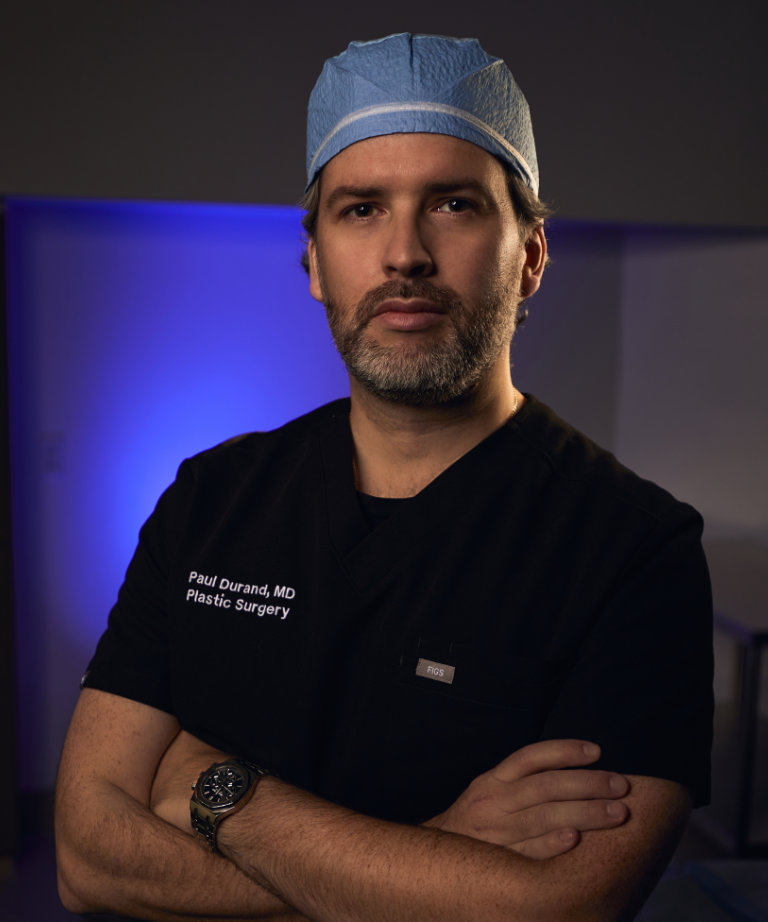
Why Choose Dr. Durand for Diastasis Repair
Dr. Durand’s reconstructive surgery background provides him with comprehensive understanding of abdominal wall anatomy and repair techniques. His training emphasized durable repairs that restore both function and appearance, exactly what diastasis patients need. He takes time to evaluate each patient’s anatomy and recommend the approach most likely to achieve their functional and aesthetic goals.
Schedule Your Diastasis Repair Consultation in Miami
If diastasis recti affects your core strength, appearance, or quality of life, surgical repair can restore what exercise alone cannot. Contact Dr. Paul Durand Plastic Surgery today to schedule a consultation at his Brickell office in Miami. Dr. Durand will evaluate your abdominal wall, discuss your goals, and explain how diastasis repair can help you regain a strong, flat abdomen.
My experience with Dr. Paul Durand was outstanding from start to finish. He is an exceptional plastic surgeon ,professional, attentive, and truly talented. From my very first consultation, he made me feel comfortable and confident, and my results exceeded all my expectations.
I also want to give special recognition to Leticia, his right-hand nurse. She is simply the best. She has the most wonderful hands so gentle, caring, and skilled. Her kindness, patience, and professionalism made every visit and every procedure a comfortable and reassuring experience. She truly goes above and beyond for every patient.
I highly recommend Dr. Paul Durand and Leticia to anyone considering plastic surgery. They make an amazing team, and I am incredibly grateful for the exceptional care I received. Thank you both!
Medically reviewed by Paul D. Durand, M.D. on