Rhinoplasty is not a one-size-fits-all procedure. Patients from different ethnic backgrounds present with distinct nasal anatomy, skin characteristics, and aesthetic ideals that require specialized surgical approaches. Ethnic rhinoplasty honors these differences — refining the nose to achieve balance and harmony while preserving the patient’s cultural identity and natural beauty. The goal is enhancement, not erasure.
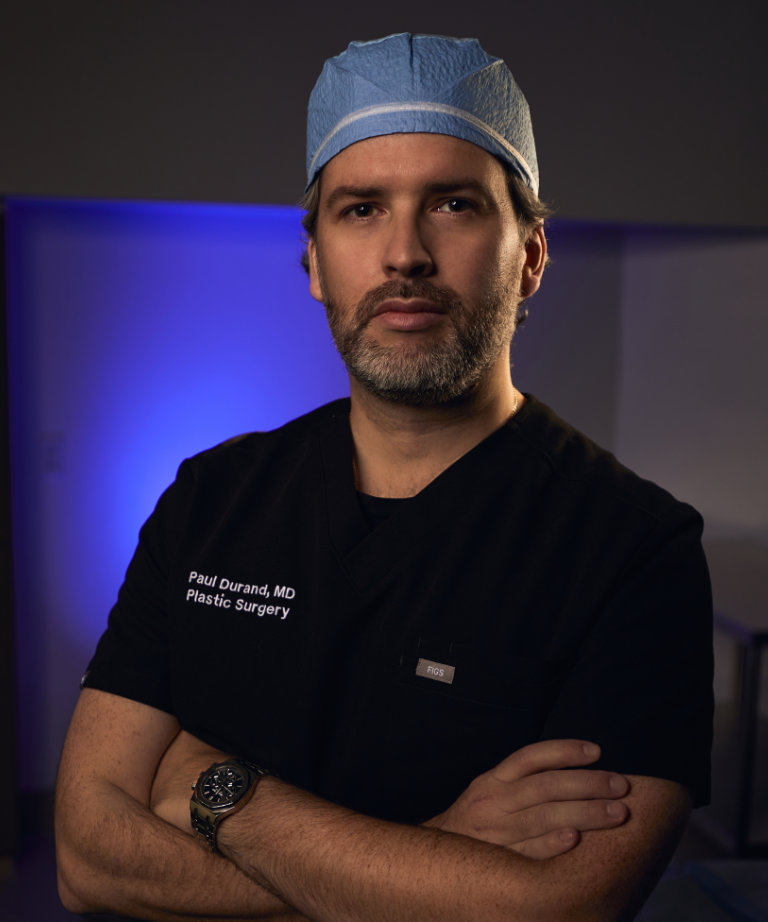
Dr. Paul Durand is a board-certified plastic surgeon whose diverse background and advanced training make him uniquely qualified to perform ethnic rhinoplasty in Miami. Born in Miami and raised in Lima, Peru, Dr. Durand brings both cultural sensitivity and technical expertise to patients from Hispanic, African-American, Middle Eastern, Asian, and other ethnic backgrounds. His fellowship training at the Dallas Plastic Surgery Institute under Dr. Rod Rohrich — combined with his participation in the first face transplant in the United States at the Cleveland Clinic — provides him with an exceptional understanding of nasal anatomy across all ethnic variations.
A Philosophy of Enhancement, Not Erasure
“The most important conversation I have with ethnic rhinoplasty patients is about their goals,” explains Dr. Durand. “Some patients want subtle refinement that maintains their ethnic features. Others desire more significant changes. There is no right or wrong answer — what matters is that the result reflects who you are and how you want to present yourself to the world.”
Dr. Durand rejects the outdated approach of applying a single “ideal” nasal shape to all patients regardless of background. Instead, he carefully evaluates each patient’s facial proportions, skin thickness, cartilage strength, and personal aesthetic preferences to develop a customized surgical plan. This individualized approach ensures results that appear natural and harmonious within the context of each patient’s unique facial features.
What Is Ethnic Rhinoplasty?
Ethnic rhinoplasty refers to nose surgery performed on patients of non-Caucasian descent, with techniques specifically adapted to address the anatomical characteristics common to different ethnic groups. While the fundamental principles of rhinoplasty remain the same, the specific surgical maneuvers, grafting techniques, and aesthetic endpoints differ based on the patient’s ethnic background.
Key considerations in ethnic rhinoplasty include skin thickness and sebaceous content, cartilage strength and shape, nasal bridge height and width, tip projection and definition, nostril size and shape, and the relationship between the nose and other facial features. Dr. Durand’s extensive training and experience allow him to navigate these variables with precision, achieving results that enhance facial harmony while respecting ethnic identity.


Hispanic Rhinoplasty
Hispanic and Latino patients represent one of the most diverse groups seeking rhinoplasty, with ancestry that may include European, Indigenous American, African, and other influences. This diversity means that nasal anatomy varies significantly among Hispanic patients, and surgical approaches must be tailored accordingly.
Common Anatomical Features
Hispanic noses often present with a combination of characteristics that may include a moderate dorsal hump, a slightly wide or bulbous nasal tip, moderately thick skin (particularly at the tip), adequate to strong cartilage, and a bridge that may be straight, humped, or slightly under-projected depending on heritage.
Surgical Considerations for Hispanic Patients
Dr. Durand approaches Hispanic rhinoplasty with careful attention to maintaining ethnic authenticity while achieving the patient’s goals. For patients with a dorsal hump, he may employ preservation rhinoplasty techniques to lower the profile while maintaining natural dorsal lines. Tip refinement is performed conservatively, using suture techniques and selective cartilage modification to create definition without an overly narrow or “pinched” appearance.
“Many of my Hispanic patients want a refined nose that still looks natural within their family,” notes Dr. Durand. “They don’t want to look like they’ve had surgery — they want to look like the best version of themselves.”
For patients desiring bridge augmentation, Dr. Durand may use cartilage grafts to increase height and definition. His fluency in Spanish allows him to communicate directly with Spanish-speaking patients, ensuring that aesthetic goals are clearly understood and achieved.
African-American Rhinoplasty
African-American rhinoplasty requires specialized techniques to address the unique anatomical characteristics common to patients of African descent. Dr. Durand’s training and experience enable him to achieve refined, natural-looking results that enhance facial harmony while preserving ethnic identity.
Common Anatomical Features
African-American noses typically present with a lower, wider nasal bridge, a broader nasal base with wider nostrils, thick sebaceous skin that limits tip definition, softer, more pliable cartilage, and decreased tip projection and rotation.
Surgical Approaches for African-American Patients
Achieving excellent results in African-American rhinoplasty requires a different surgical mindset than Caucasian rhinoplasty. Rather than reducing and refining, the approach often involves building and strengthening nasal structures.
Dr. Durand frequently uses cartilage grafts to augment the nasal bridge, creating improved height and definition. For tip refinement, he employs structural grafting techniques that provide support and projection while working within the constraints of thicker skin. Suture techniques alone are often insufficient in patients with thick skin, making cartilage grafts essential for achieving lasting definition.
Alar base reduction — narrowing the nostrils — is commonly requested by African-American patients. Dr. Durand performs this procedure with meticulous attention to symmetry and scar placement, ensuring that incisions heal inconspicuously within the natural nostril crease.
Middle Eastern Rhinoplasty
Patients of Middle Eastern descent — including those with Persian, Arab, Turkish, Armenian, and Mediterranean heritage — frequently seek rhinoplasty to address the prominent nasal features common in these populations. Middle Eastern rhinoplasty requires expertise in managing strong cartilage, thick skin, and the complex dorsal anatomy that characterizes these noses.
Common Anatomical Features
Middle Eastern noses often present with a prominent dorsal hump (often with both bony and cartilaginous components), a drooping or under-rotated nasal tip, thick skin with significant sebaceous glands, strong septal and lower lateral cartilages, a high dorsum with a tension nose deformity, and wide middle vault structures.
Surgical Considerations for Middle Eastern Patients
Middle Eastern rhinoplasty often involves significant dorsal reduction and tip rotation — but achieving natural results requires restraint and precision. Over-reduction of the dorsum can create an unnatural “scooped” appearance, while excessive tip rotation can look artificial and incongruent with other facial features.
Dr. Durand employs both traditional structural techniques and preservation rhinoplasty approaches depending on the patient’s anatomy. For appropriate candidates, preservation rhinoplasty allows dorsal hump reduction while maintaining the nose’s natural lines and avoiding the “operated” look that can occur with aggressive resection techniques.
Tip work in Middle Eastern rhinoplasty often requires deprojection and rotation while maintaining adequate support. Dr. Durand uses a combination of cartilage repositioning, suture techniques, and selective grafting to achieve a refined tip that complements the reduced dorsum.
Asian Rhinoplasty
Asian rhinoplasty encompasses patients from East Asian, Southeast Asian, and South Asian backgrounds — each with distinct nasal characteristics. Dr. Durand tailors his approach to the specific anatomical features and aesthetic goals of each patient, recognizing that “Asian” represents a diverse range of ethnicities and nasal types.
Common Anatomical Features
East and Southeast Asian noses commonly present with a low, flat nasal bridge, a wide and under-projected nasal tip, thick skin with abundant sebaceous glands, short, weak lower lateral cartilages, a short columella and acute nasolabial angle, and a wide alar base.
South Asian patients may present with different characteristics, including a more projected bridge with a dorsal hump, stronger cartilage, and varying tip features.
Augmentation Techniques for Asian Patients
Unlike rhinoplasty in many other ethnic groups, Asian rhinoplasty frequently focuses on augmentation rather than reduction. The primary goals often include increasing dorsal height, improving tip projection and definition, lengthening the nose, and refining the alar base.
Dr. Durand’s preferred approach for dorsal augmentation uses the patient’s own cartilage — typically harvested from the septum or ear, and occasionally from the rib for patients requiring significant augmentation. Autologous cartilage provides natural-feeling, permanent results without the risks associated with synthetic implants, including infection, extrusion, and unnatural appearance.
For tip refinement, Dr. Durand uses cartilage grafts to build projection and create definition that can be appreciated even through thick skin. Shield grafts, cap grafts, and columellar strut grafts are commonly employed to achieve lasting tip improvement.

Signs You May Benefit from Ethnic Nose Surgery
Patients from all ethnic backgrounds seek rhinoplasty for a variety of reasons. Common concerns that bring patients to Dr. Durand’s Miami practice include:
- Desire for Facial Balance: a nose that feels disproportionate to other facial features, whether too large, too small, too wide, or too flat
- Bridge Concerns: a dorsal hump that disrupts the profile, or a flat bridge that lacks definition
- Tip Shape Issues: a bulbous, boxy, drooping, or under-projected nasal tip
- Nostril Width: nostrils that appear too wide or flared relative to the rest of the nose and face
- Previous Unsatisfactory Results: patients who underwent rhinoplasty elsewhere and feel their ethnic features were inappropriately altered
- Breathing Difficulties: functional concerns that can be addressed simultaneously with cosmetic improvements
Ideal candidates for ethnic rhinoplasty are in good overall health, have realistic expectations about outcomes, and have clearly communicated their aesthetic goals during the consultation process.
What to Expect During Ethnic Nose Reshaping Surgery
Ethnic rhinoplasty is performed under general anesthesia as an outpatient procedure. The surgery typically takes two to three hours, though complex cases involving significant grafting may take longer.
Dr. Durand typically performs ethnic rhinoplasty using an open approach, placing a small incision across the columella that heals to become virtually invisible. This approach provides optimal visualization of the nasal structures and allows for precise placement of cartilage grafts.
During the procedure, Dr. Durand methodically addresses each area of concern according to the surgical plan developed during your consultation. This may include dorsal augmentation or reduction, tip refinement and projection, alar base modification, and septal work if breathing improvement is needed. All cartilage grafts are carefully shaped and secured to ensure lasting results.
Following surgery, a splint is placed on the nose to protect and support the newly shaped structures. Most patients experience moderate swelling and bruising that improves significantly over the first two weeks. While initial results are visible once the splint is removed, final results develop over twelve to eighteen months as swelling fully resolves.
Frequently Asked Questions About Ethnic Rhinoplasty
-
Not if you don’t want it to. Dr. Durand’s approach emphasizes enhancement within the context of your ethnic features. He works closely with each patient to understand their goals — whether that’s subtle refinement that preserves ethnic characteristics or more significant change. The result should look like a natural, refined version of you.
-
Ethnic rhinoplasty often requires specialized techniques, particularly when augmentation with cartilage grafts is involved. Dr. Durand’s advanced training and experience with diverse nasal anatomy allow him to navigate these complexities and achieve excellent outcomes.
-
Dr. Durand prefers to use the patient’s own cartilage for augmentation rather than synthetic implants. Autologous cartilage provides natural-looking, permanent results without the risks of infection, extrusion, or capsular contracture associated with silicone implants.
-
Yes. Functional concerns such as a deviated septum, enlarged turbinates, or nasal valve collapse can be addressed simultaneously with cosmetic refinement. Dr. Durand evaluates both aesthetic and functional aspects during your consultation.
-
Ethnic rhinoplasty results are permanent. Once the nose has healed completely — typically by twelve to eighteen months — the results are stable for life. The nose will continue to age naturally, but the surgical improvements remain.
-
Most patients take one to two weeks off from work and social activities. The splint is removed after one week, at which point bruising has typically faded significantly. Swelling resolves gradually over several months, with final results visible at approximately one year.
Why Choose Dr. Durand for Ethnic Rhinoplasty
Dr. Durand’s background makes him exceptionally qualified to perform ethnic rhinoplasty. Born in Miami and raised in Peru, he brings personal cultural awareness to his work with patients from diverse backgrounds. His fellowship training at the Dallas Plastic Surgery Institute provided him with mastery of advanced rhinoplasty techniques, including the cartilage grafting methods essential for achieving excellent results in ethnic patients.
Beyond technical expertise, Dr. Durand’s participation in facial transplant surgery at the Cleveland Clinic gave him an unparalleled understanding of facial anatomy across all ethnic variations. He approaches each ethnic rhinoplasty as a collaboration with the patient, listening carefully to aesthetic goals and providing honest guidance about what is achievable.
Fluent in both English and Spanish, Dr. Durand communicates directly with patients in their preferred language, ensuring that nuanced aesthetic preferences are clearly understood and incorporated into the surgical plan.
Schedule Your Ethnic Rhinoplasty Consultation in Miami
Discover how ethnic rhinoplasty can enhance your appearance while honoring your heritage. Contact Dr. Paul Durand Plastic Surgery today to schedule a consultation at his Brickell office in Miami. During your visit, Dr. Durand will evaluate your nasal anatomy, discuss your aesthetic goals, and explain how specialized techniques can help you achieve natural, beautiful results that reflect who you are.
I am so amazed by how talented Dr.Durand is at rhinoplasty. He corrected my deviated septum and made my nose look amazing, it’s been 9 months now and I get so many compliments of people telling me that I have a perfect nose. The crazy part, is that my nose looks natural and they can’t even tell
I had anything done. My front and side profile
look incredible, No More Dropping Nose Tip when i smile….(Let’s just say I attract way way way more now)….if you know what i mean….lol….All I can say is that if you want a (Artist) aka (Dr.Durand) to transform your (Canvas) aka your (Face or Body) into a natural more attractive version of yourself…then he is your Plastic Surgeon Period.Thanks Again Dr.Durand you are the GOAT
Medically reviewed by Paul D. Durand, M.D. on