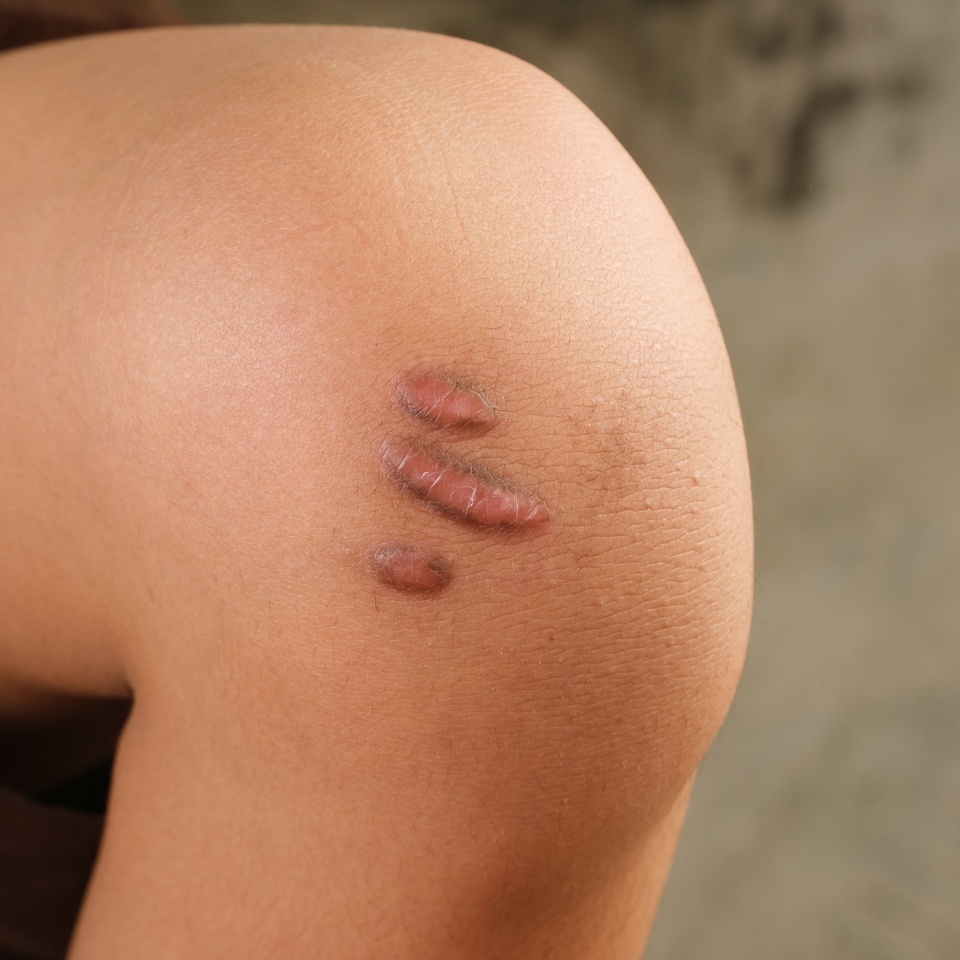
Keloids are raised, thickened scars that extend beyond the boundaries of the original wound, often continuing to grow over time. Unlike normal scars that fade and flatten, keloids may be itchy, tender, and cosmetically disfiguring, affecting patients’ confidence and quality of life. Keloid treatment requires specialized expertise, as these challenging scars have a tendency to recur after treatment. Dr. Paul Durand offers comprehensive keloid management using multimodal approaches designed to reduce keloids and minimize recurrence.
Dr. Paul Durand is a board-certified plastic and reconstructive surgeon whose training encompasses complex wound healing and scar management. Fellowship-trained at the Cleveland Clinic and the Dallas Plastic Surgery Institute, Dr. Durand understands the biological factors that contribute to keloid formation and applies evidence-based treatment protocols to achieve the best possible outcomes for keloid patients.
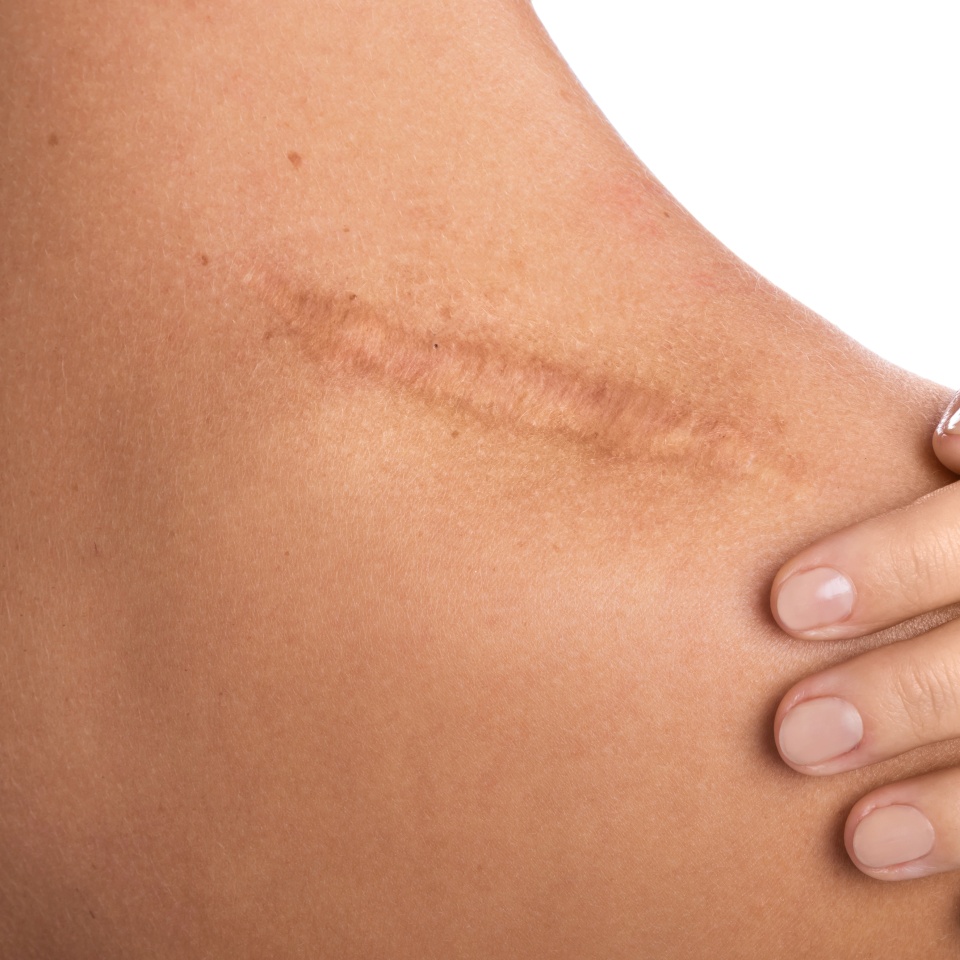
A Multimodal Approach to Challenging Scars
“Keloids are among the most challenging scars to treat because of their tendency to recur,” explains Dr. Durand. “Successful management requires more than just cutting out the scar. It requires a comprehensive strategy that addresses the underlying healing abnormality. I combine surgical excision with adjuvant therapies to give patients the best chance of lasting improvement.”
Dr. Durand’s approach recognizes that keloid treatment is not one-size-fits-all. The optimal protocol depends on the keloid’s size, location, age, previous treatments, and the patient’s individual healing characteristics. He works with each patient to develop a customized treatment plan.
Understanding Keloid Scars
Keloids develop when the body’s wound healing process goes into overdrive, producing excess collagen that forms raised, firm scar tissue. Unlike hypertrophic scars, which stay within the original wound boundaries, keloids extend beyond the injury site and may continue growing for months or years.
Keloids most commonly occur in individuals with darker skin tones, though they can affect anyone. Common trigger sites include:
- Earlobes: often following piercing
- Chest and Shoulders: from acne, surgery, or injury
- Upper Back: frequently from acne scarring
- Surgical Incisions: anywhere on the body following surgery
- Areas of Tension: locations subject to movement or stretching
Keloids may cause itching, tenderness, pain, or restricted movement depending on their location and size. Beyond physical symptoms, the cosmetic impact often significantly affects patients’ self-esteem.
Treatment Options for Keloid Scars
Dr. Durand offers multiple treatment modalities, often combined for optimal results:
- Surgical Excision: removing the keloid tissue and closing the wound with meticulous technique to minimize tension, which is the foundation of treatment for larger keloids
- Corticosteroid Injections: injecting anti-inflammatory medication into the keloid to reduce size and symptoms; may be used alone for smaller keloids or combined with surgery
- Silicone Therapy: silicone sheets or gel applied to the scar to flatten and soften the tissue
- Pressure Therapy: compression garments or devices that apply continuous pressure to prevent keloid regrowth
- Radiation Therapy: low-dose radiation delivered shortly after surgical excision to prevent recurrence, which is highly effective for keloids with high recurrence risk
- Cryotherapy: freezing treatment that can reduce small keloids or prevent recurrence after excision
For most significant keloids, Dr. Durand recommends a combination approach, typically surgical excision followed immediately by corticosteroid injection and/or radiation therapy, with ongoing silicone and pressure therapy during healing.
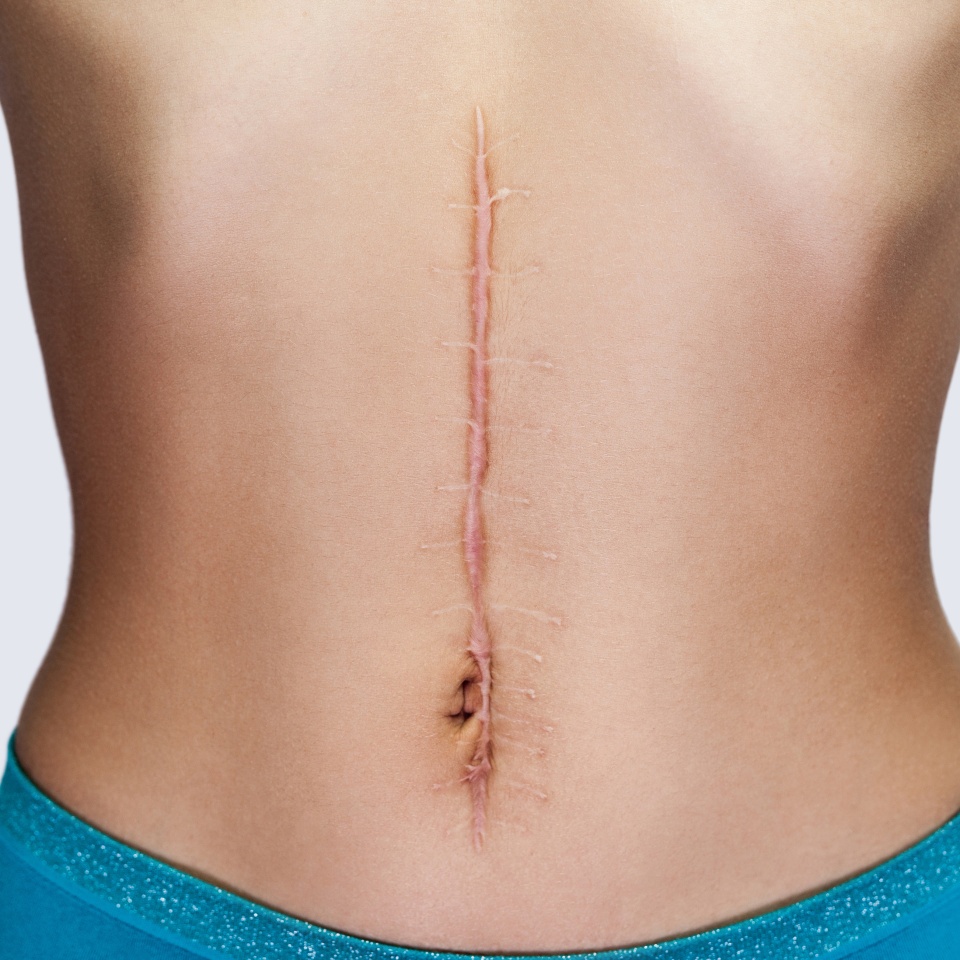
What to Expect During Keloid Treatment
Treatment protocols vary based on the keloid characteristics and chosen modalities:
Surgical Excision
Performed as an outpatient procedure under local anesthesia. Dr. Durand removes the keloid tissue with careful attention to wound closure technique, minimizing tension that could trigger recurrence. The procedure duration depends on keloid size and location.
Postoperative Adjuvant Therapy
Corticosteroid injections may be administered at the time of surgery and repeated at intervals during healing. If radiation is recommended, treatments typically begin within 24-48 hours of excision and continue for several sessions.
Ongoing Management
Silicone therapy and pressure garments are used for months following treatment to optimize results and minimize recurrence risk. Dr. Durand monitors healing closely and adjusts the protocol as needed.
Recovery from surgical excision is typically straightforward, with most patients returning to normal activities within days. The treated area requires careful attention to the aftercare protocol to achieve the best outcome.
Frequently Asked Questions About Keloid Treatment
-
Keloids can be significantly improved and many patients achieve lasting results with appropriate multimodal treatment. However, individuals prone to keloid formation may develop new keloids from future injuries. Dr. Durand discusses prevention strategies as part of treatment.
-
Recurrence is possible, which is why multimodal treatment is important. Combining excision with adjuvant therapies such as steroid injections, radiation, and silicone therapy significantly reduces recurrence rates compared to surgery alone.
-
Yes. The low doses used for keloid treatment are considered safe and have been used successfully for decades. Dr. Durand discusses the benefits and minimal risks during consultation.
-
This depends on the size and nature of your keloid and which treatment modalities are used. Some patients achieve excellent results with a single excision plus adjuvant therapy, while others benefit from a series of injection treatments.
-
Coverage varies by policy and depends on whether the keloid causes symptoms beyond cosmetic concerns. Dr. Durand’s team can help determine coverage and assist with documentation.
-
If you are prone to keloids, avoiding elective procedures that create wounds (such as piercings or cosmetic surgery) in high-risk areas reduces risk. For necessary surgeries, Dr. Durand can discuss preventive measures to minimize keloid formation.
Why Choose Dr. Durand for Keloid Treatment
Keloid management requires understanding of both wound healing biology and surgical technique. Dr. Durand’s reconstructive surgery training provided comprehensive education in scar management, and his ongoing experience with challenging cases has refined his approach. He offers the full range of treatment options, including coordination with radiation oncology when indicated, to provide patients with comprehensive keloid care.
Schedule Your Keloid Treatment Consultation in Miami
If keloid scars affect your appearance or comfort, effective treatment is available. Contact Dr. Paul Durand Plastic Surgery today to schedule a consultation at his Brickell office in Miami. Dr. Durand will evaluate your keloids, discuss the treatment options, and develop a customized plan designed to achieve meaningful, lasting improvement.
My experience with Dr. Paul Durand was outstanding from start to finish. He is an exceptional plastic surgeon ,professional, attentive, and truly talented. From my very first consultation, he made me feel comfortable and confident, and my results exceeded all my expectations.
I also want to give special recognition to Leticia, his right-hand nurse. She is simply the best. She has the most wonderful hands so gentle, caring, and skilled. Her kindness, patience, and professionalism made every visit and every procedure a comfortable and reassuring experience. She truly goes above and beyond for every patient.
I highly recommend Dr. Paul Durand and Leticia to anyone considering plastic surgery. They make an amazing team, and I am incredibly grateful for the exceptional care I received. Thank you both!
Medically reviewed by Paul D. Durand, M.D. on